
Costa Rica Las Trojas: A Bright, Clean Coffee from the Heart of Tarrazú
Costa Rica Las Trojas: The Coffee That Tastes Like Sunshine
There’s something about Costa Rican coffee that makes people smile. Maybe it’s the brightness that reminds you of tropical mornings. Maybe it’s the sweetness that doesn’t need sugar. Or maybe it’s knowing that this tiny Central American country decided to ban robusta coffee entirely because they refused to compromise on quality.
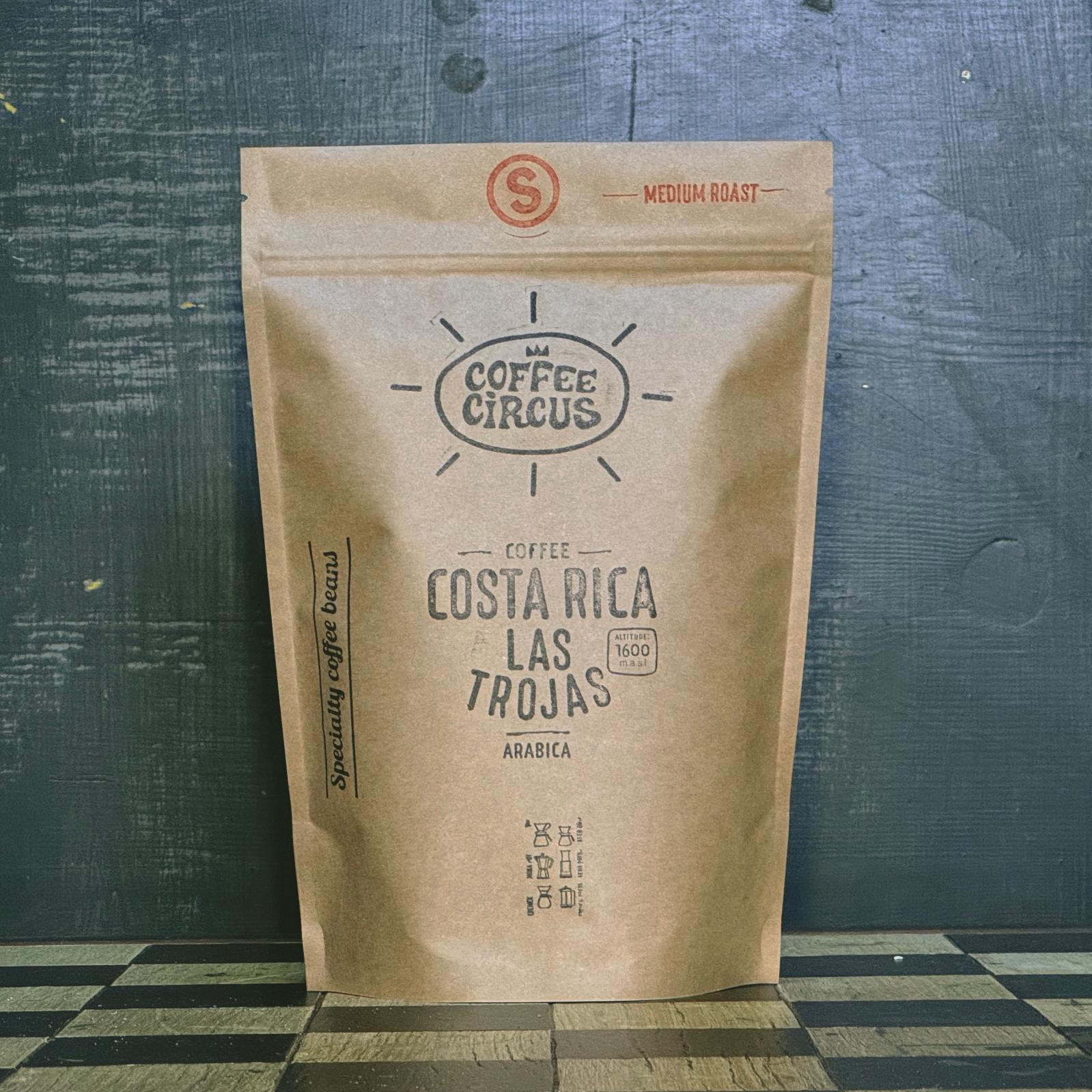
Our Costa Rica Las Trojas, at €13.00 per 250g, comes from Tarrazú—a region known worldwide for exceptional coffee. This is simply coffee that makes your morning better.
Tarrazú: Where Coffee Goes to Show Off
Imagine a place where coffee trees grow in volcanic soil so rich it’s basically plant steroids. Where morning clouds hug the mountains, creating a natural greenhouse. Where it rains just enough, stops just in time, and the sun comes out right when the coffee needs it.
That’s Tarrazú. If coffee regions were students, Tarrazú would be the one who gets straight A’s without seeming to try.
Las Trojas: More Than Just a Mill
Las Trojas is what Costa Ricans call a “beneficio”—a wet mill where surrounding farms bring their cherries for processing. Think of it as the neighborhood coffee hub where everyone’s harvest comes together, gets transformed, and begins its journey to your cup.
What makes Las Trojas special is following Tarrazú’s high-quality processing standards. Every cherry gets sorted. Fermentation is carefully monitored. Every bean is dried with patience and precision.
The Costa Rican Coffee Revolution
Here’s a fun fact: Costa Rica was one of the first countries to legally ban robusta coffee. They passed this law in 1989, basically saying “We’re going for quality or nothing.” The ban was modified in 2018 to allow limited robusta trials, but the country remains 99% arabica.
Imagine if Italy banned frozen pizza, or France outlawed processed cheese. That’s the level of commitment we’re talking about.
But Costa Rica didn’t stop there. They refined and popularized the honey process (more on that in a moment), developed eco-friendly processing methods, and turned coffee farms into tourist destinations. They’re not just growing coffee—they’re reimagining what coffee can be.
What Las Trojas Tastes Like
First sip: Bright citrus acidity that wakes up your whole mouth—like orange juice, but coffee.
Middle notes: Brown sugar sweetness emerges, along with milk chocolate smoothness.
The surprise: Tropical fruit hints—sometimes mango, sometimes pineapple—that make you wonder if someone dropped fruit juice in your coffee (they didn’t).
Finish: Clean, sweet, lingering just long enough to make you want another sip.
This is coffee that tastes like Costa Rica feels—bright, warm, welcoming, and slightly exotic.
The Honey Process Innovation
Costa Rica refined and popularized honey processing, developing the modern color-based categories. Las Trojas, like many quality mills, has mastered this method. Remember, there’s no actual honey involved—the name comes from the sticky-sweet mucilage left on the beans during drying.
Mills in the region produce different “colors” of honey:
White Honey: Light and clean, almost like washed
Yellow Honey: Balanced sweetness
Red Honey: Fruity and complex
Black Honey: Maximum sweetness and body
Each requires different amounts of that sticky fruit layer and different drying times. It’s like a chef deciding how caramelized they want their onions—same ingredient, wildly different results.
How We Roast This Coffee?
Costa Rican coffee is delicate—roast it too dark and you lose everything special about it. We take Las Trojas to a medium roast, just enough to develop sweetness while preserving that signature brightness.
The beans come out of the roaster the color of cinnamon, crackling gently as they cool. The aroma fills our roastery with notes of caramel and citrus—it’s basically happiness in scent form.
Brewing Your Costa Rica
Pour-Over Paradise
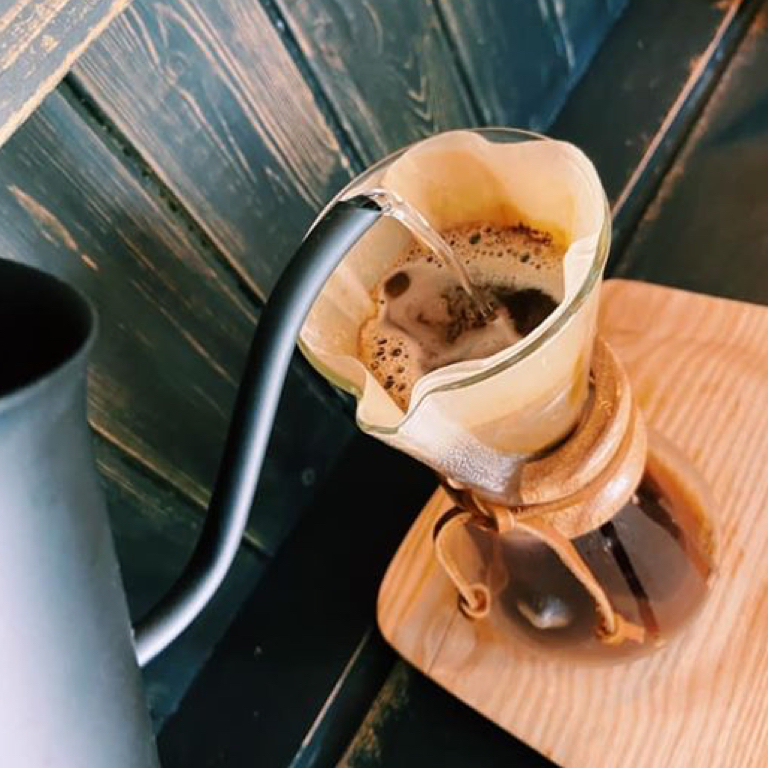
This is where Las Trojas really shines. Use about 15g to 250g water (2 tablespoons to 1 cup if you’re not weighing). Water at 92°C—a bit cooler than usual to preserve those delicate flavors. Medium-fine grind, like table salt.
Take your time—about 3 minutes total. The result is coffee so clean and bright it’s like drinking liquified sunshine.
Chemex Champions
The thick Chemex filters were made for coffees like this. Same ratios as above, but slightly coarser grind. The extra filtration creates an almost tea-like clarity that lets every flavor note sing.
Espresso Excellence
Las Trojas makes surprisingly complex espresso. Use 18g in, 38g out, in about 28 seconds. The shots are bright and sweet with that tropical fruit finish. In cappuccinos, it cuts through milk like sunshine through clouds.
When to Drink Las Trojas
There’s something about Costa Rican coffee in the morning that just works. The brightness wakes you up gently—not like an alarm, more like sunlight through curtains. The sweetness means you might not need sugar. The clean finish doesn’t leave any bitterness to start your day.
It’s the coffee equivalent of waking up on vacation—that moment when you remember you don’t have to set an alarm and the day stretches ahead full of possibility.
Morning yoga coffee: The brightness matches that post-yoga glow
Weekend brunch star: Impressive enough for guests, approachable enough for everyone
Afternoon pick-me-up: The brightness lifts without the crash
Study session fuel: Clean and focusing without jitters
First specialty coffee: Perfect introduction—interesting but not challenging
The Sustainability Story
Costa Rica doesn’t just grow great coffee—they’re showing the world how to do it sustainably. Common practices across Costa Rican mills include:
– Water recycling systems that reduce usage significantly
– Solar drying when weather permits
– Coffee pulp as fertilizer—nothing gets wasted
– Shade trees that protect biodiversity
This isn’t greenwashing—it’s genuine commitment to preserving the environment that makes their coffee possible.
The Micro-Mill Revolution
Here’s something cool happening in Costa Rica: micro-mills. Small farmers who used to sell their cherries to large mills are now processing their own coffee. Las Trojas works with several of these micro-mills, giving small farmers more control and better prices.
It’s like the craft beer revolution but for coffee. Suddenly, farmers who’ve been growing coffee for generations can showcase their specific terroir, experiment with processing, and build their own reputation. The result? More interesting coffee for us, better lives for them.
Your Ticket to Tarrazú
Every cup of Las Trojas is a mini-vacation to Costa Rica. Close your eyes while you sip and you can almost feel the mountain breeze, hear the birds that live in the shade trees, sense the volcanic soil beneath your feet.
This isn’t just coffee from Costa Rica—it’s Costa Rica in a cup. The brightness of their beaches, the sweetness of their tropical fruit, the warmth of their “pura vida” philosophy.
The Coffee That Makes You Optimistic
There’s something about Costa Rica Las Trojas that makes you feel like everything’s going to be okay. Maybe it’s the brightness that suggests new beginnings. Maybe it’s the sweetness that reminds you life has good things to offer. Or maybe it’s just really, really good coffee.
In a world of complex, challenging, sometimes difficult coffees, Las Trojas is purely joyful. It’s the coffee equivalent of a smile—simple, genuine, and capable of changing your entire day.
Ready for some liquid sunshine? Find Costa Rica Las Trojas at our online store for €13.00. Freshly roasted in Malta, shipped across Europe, and guaranteed to brighten your morning.